Protect Your Credit Repair Progress | MetaTax
Client Education

Protect Your Credit Repair Progress

Small actions can either help your progress or slow it down. While MetaTax works on your file, your job is to avoid moves that create new problems, confirm old ones, or confuse the process.

Important: If you receive a call, email, letter, text, or portal message about a collection, bureau response, dispute, or credit account, do not guess. Screenshot it, upload it to your client portal, and let the MetaTax team review it first.

Before You Start

One voice. One strategy. One file.

When too many people start responding, explaining, applying, or making changes, your file can become messy. MetaTax needs the information coming through one clear process so we can protect the strategy and avoid unnecessary confusion.

Rule 01

Do Not Speak Directly With Debt Collectors

This is one of the most important rules. While we are working on your credit file, do not discuss the debt, verify personal details, make promises, admit ownership, set up payment arrangements, or provide sensitive information to a collector without guidance.

Do not speak directly with debt collectors

Most Important Rule

Collectors are trained to get information from you.

A debt collector may sound friendly, urgent, or official. But their goal is usually to collect information, confirm details, or push you into responding. Even a simple conversation can create problems if you say the wrong thing, confirm the wrong detail, or accidentally give them information they did not already have.

Why this can hurt you: Verifying details, discussing the account, or making promises can weaken the work being done on your behalf and may make the situation harder to challenge.
Simple analogy: Imagine your lawyer is negotiating for you, but you walk into the other side’s office and start answering questions. Now the strategy is no longer controlled.
What to do instead: Do not answer account questions. Do not provide sensitive information. Screenshot or save the message, then upload it inside your MetaTax client portal.
Read CFPB guidance on sharing information →

Rule 02

Do Not Reply To Bureaus Or Collection Messages Alone

During the process, you may receive letters, emails, texts, or updates from Experian, Equifax, TransUnion, CFPB, creditors, or collection agencies. Do not respond on your own unless the MetaTax team tells you to.

Send messages to MetaTax before responding

Communication Control

Let the process speak from one place.

MetaTax may send several letters and disputes on your behalf. Because of that, bureaus or collectors may contact you directly. If you respond without understanding the strategy, your answer may not match the dispute position or may give them information that works against you.

Why this can hurt you: Mixed messages create confusion. If MetaTax is saying one thing and you respond with something different, the file can become harder to manage.
Simple analogy: It is like two people trying to drive the same car at the same time. Even if both mean well, the car can swerve.
What to do instead: Screenshot the message, log into your portal, upload it in the message section, and wait for our guidance. We will respond within 24 hours with the next step.
Read CFPB dispute guidance →

Concerned about a message?

Do not panic and do not respond emotionally. Upload the screenshot to your client portal so Meta Fiscal can review it and tell you whether to ignore it, respond, or take another step.

Upload Screenshot To Portal

Rule 03

Stop Applying For New Credit

While your credit is being repaired, avoid applying for credit cards, loans, store cards, buy-now-pay-later accounts, vehicle financing, or any unnecessary credit checks.

Avoid new credit applications during credit repair

New Credit

New applications can slow the cleanup.

Every unnecessary application can create a new hard inquiry. Some applications may also lead to new accounts, new denials, new balances, or new negative activity. That gives the process more to clean up while we are already working on the existing issues.

Why this can hurt you: Hard inquiries can affect your score, stay on your credit report for up to two years, and make your file look riskier if too many appear close together.
Simple analogy: Applying for new credit during repair is like throwing mud on a car while someone is washing it. The job keeps getting extended.
What to do instead: Pause new applications unless MetaTax tells you it fits your strategy. Focus on cleaning, stabilizing, and strengthening what you already have.
Read myFICO guidance on inquiries →

Rule 04

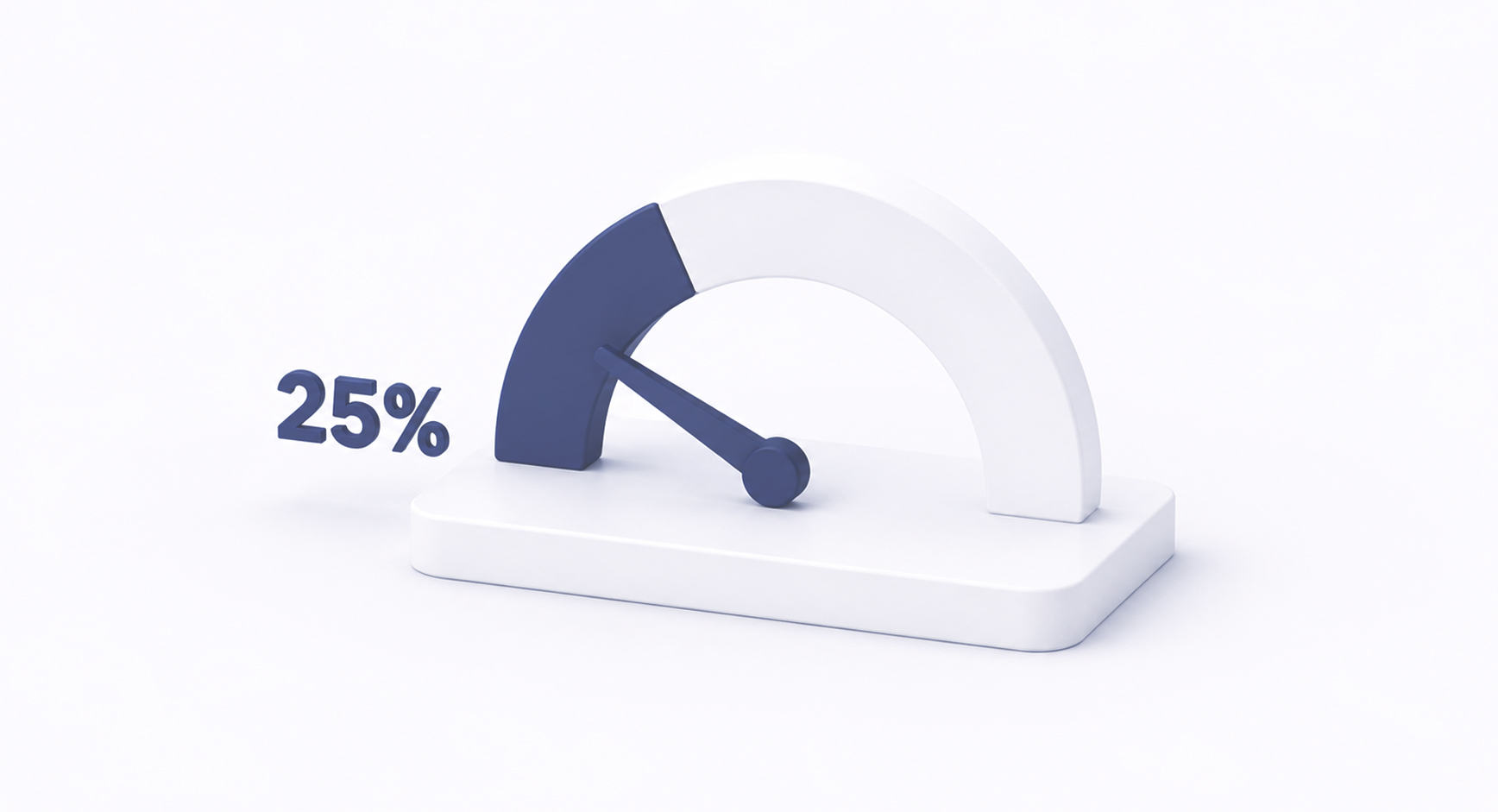
Keep Credit Utilization Below 25%

Credit utilization means how much of your available credit you are using. If your limit is $1,000 and your balance is $700, you are using 70%. That can make your file look risky even if you pay later.

Balance Control

Low balances help your file look healthier.

A good rule during repair is to keep your credit card balances below 25% of your available limit. Even if you pay your card off later, the balance reported to the bureaus may still show high usage if the timing is wrong.

Why this can hurt you: High utilization can lower your score because it looks like you are relying too heavily on credit.
Simple analogy: Your credit limit is like space in a room. If the room is packed wall-to-wall, it looks crowded and stressful. If it is mostly open, it looks controlled.
What to do instead: Keep balances low, pay before the statement closes when possible, avoid maxing cards out, and spread spending carefully if you must use credit.
Read TransUnion guidance on utilization →

Rule 05

Do Not Close Older Accounts Without Guidance

Closing an old account may feel like cleaning things up, but it can sometimes hurt your score by lowering your available credit or weakening your account history.

Do not close old credit accounts without guidance

Credit History

Old accounts can help your credit profile breathe.

If an older credit card is in good standing, closing it may reduce your total available credit. That can raise your utilization percentage and may also affect how your credit history looks over time.

Why this can hurt you: Closing a card can reduce your available credit, increase your utilization, and sometimes affect the strength of your credit history.
Simple analogy: Think of an old positive account like a long-time reference on a job application. If it is helping you, do not remove it without a reason.
What to do instead: Keep positive older accounts open when possible, use them lightly, pay them on time, and ask MetaTax before closing anything.
Read CFPB guidance on closing cards →

Your job is to protect the progress.

MetaTax will handle the credit repair strategy. Your job is to avoid new problems, send us important messages, keep balances low, and let the process work without interruption.

Go To Client Portal
Disclaimer: This page is for general education and client guidance. It is not legal advice, financial advice, or a guarantee of credit score improvement. Credit outcomes vary based on each client’s file, history, actions, creditor responses, bureau reporting, and the accuracy of the information being disputed.

Personal tax care, credit guidance, and financial education built around real people.

Need help with your file? Upload your message inside the client portal and our team will review it.

Top ↑
Redirecting desktop users…

If you are on desktop and not redirected, click here.