800+ · Excellent
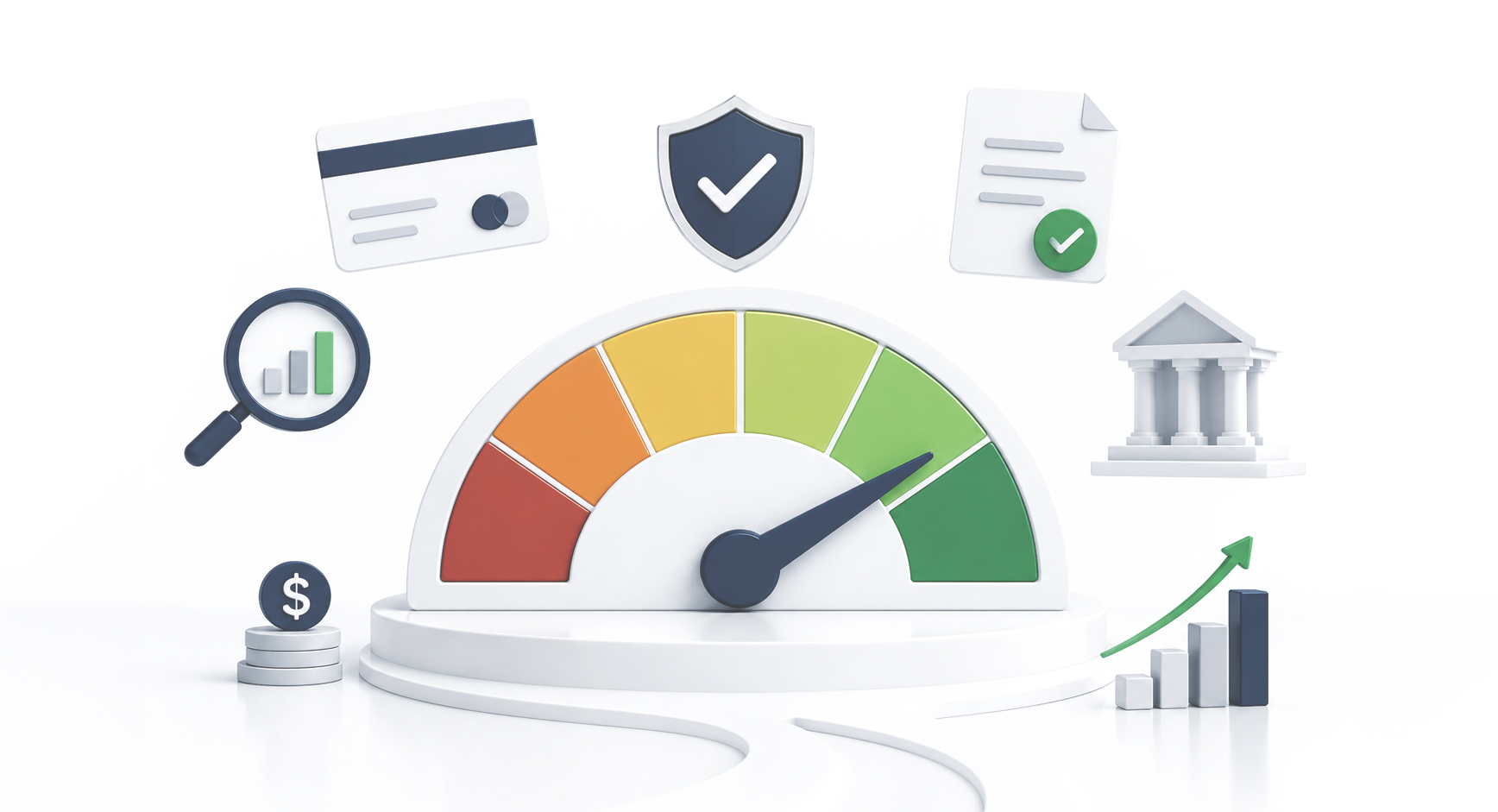
Strong financial trust.
People in this range are generally viewed as lower-risk borrowers. This may improve approval odds and may help qualify for better interest rates and lending terms.
What Helps
- Keep balances low
- Continue paying on time
- Avoid unnecessary applications
- Maintain older accounts responsibly
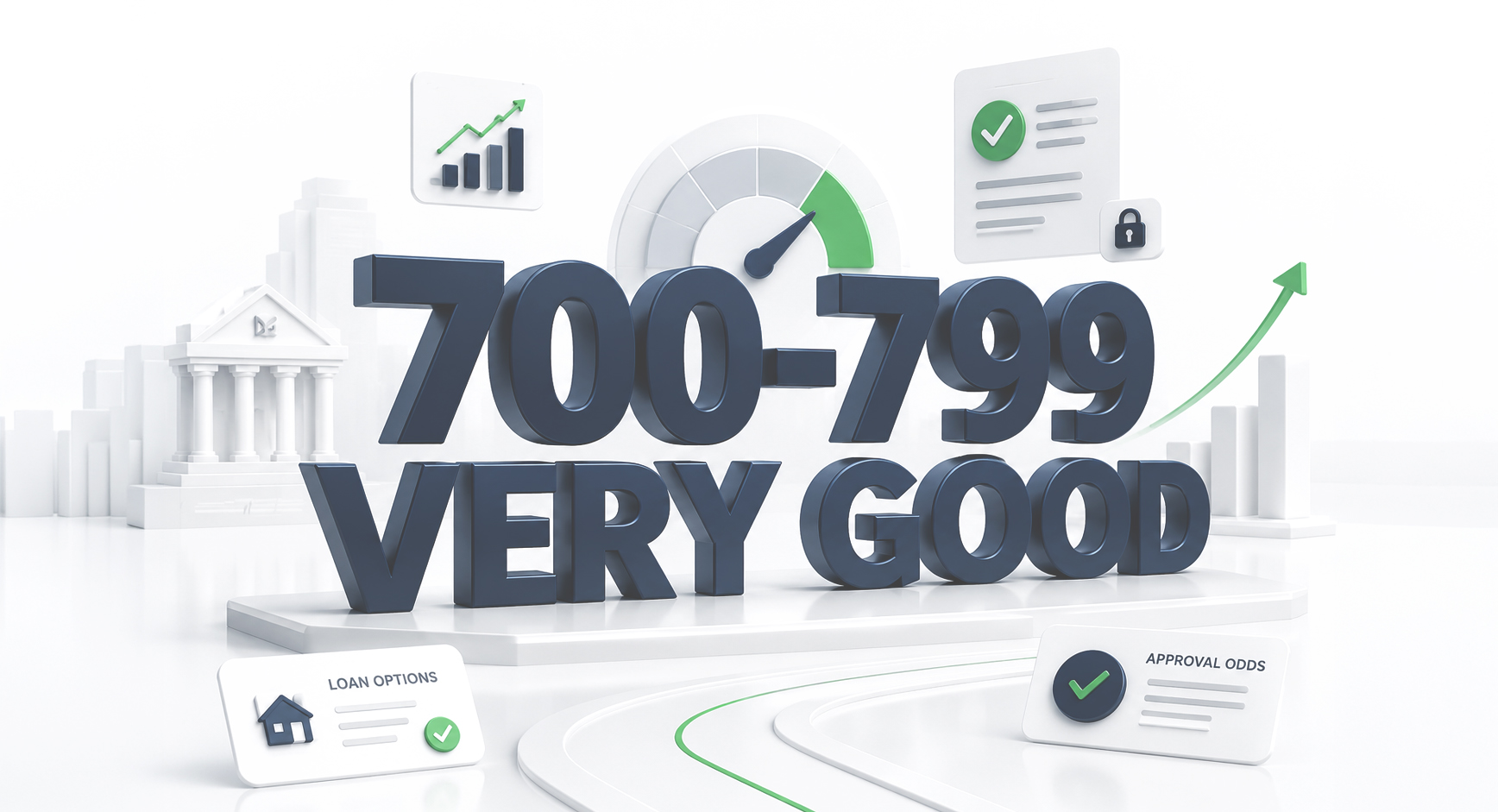
700–799 · Very Good
You are usually in a strong position.
This range is generally viewed as strong. You may have access to better loan options, stronger approval odds, and more favorable terms depending on income, debt, and the lender’s requirements.
What Helps
- Keep payment history clean
- Lower credit card balances
- Avoid too many new applications
- Keep positive accounts active
680–699 · Good
You are close, but small improvements matter.
This range can still be considered solid, but it may not always receive the best rates or terms. Small changes like lowering balances or avoiding new inquiries can make a noticeable difference.
What Helps
- Bring utilization down
- Dispute inaccurate information
- Keep all accounts current
- Do not open unnecessary new accounts
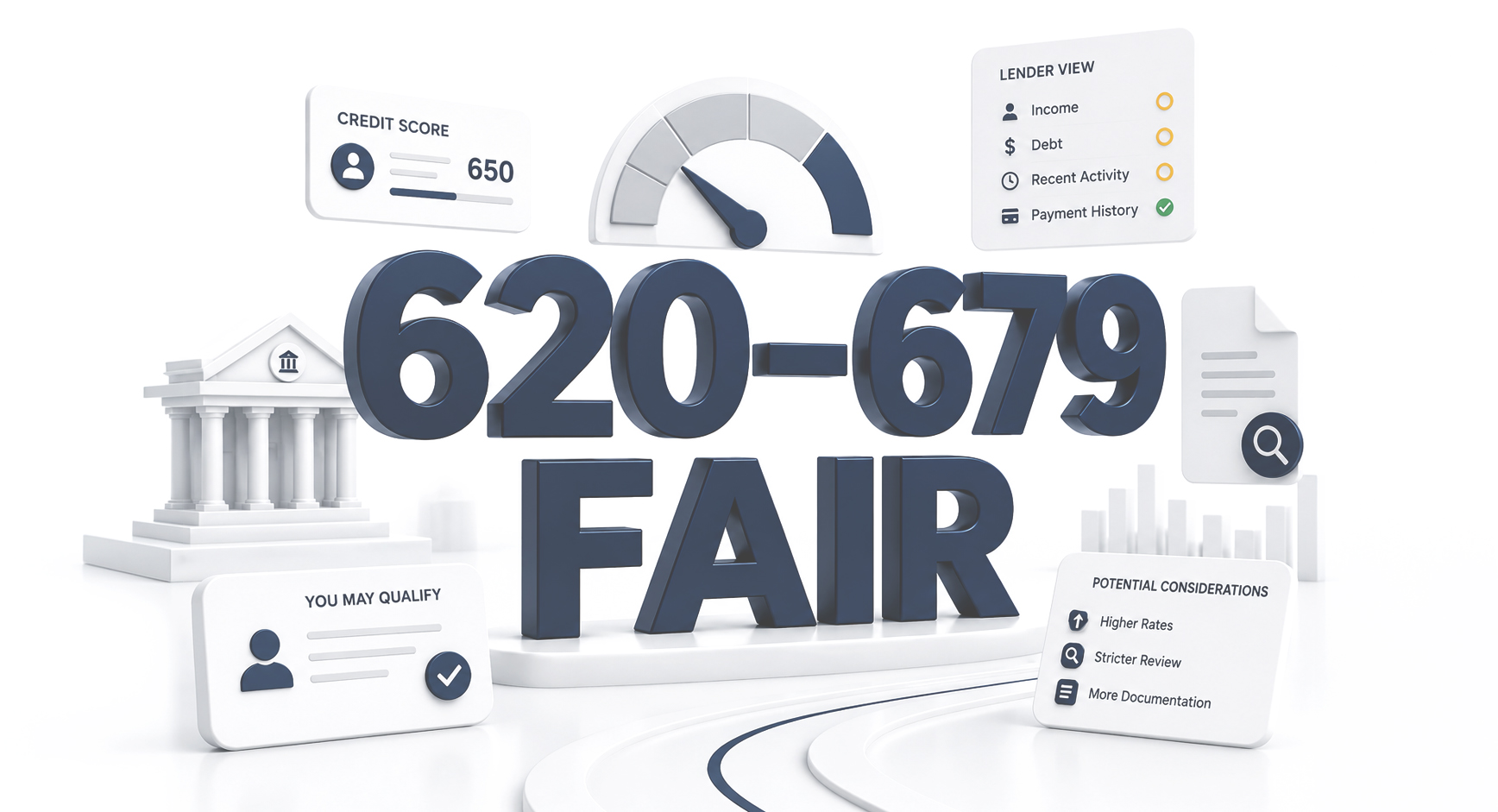
620–679 · Fair
You may qualify, but terms may be tighter.
In this range, some approvals may still be possible, but lenders may look more closely at income, debt, recent activity, and payment history. Rates may also be higher.
What Helps
- Pay every bill on time
- Reduce balances aggressively
- Avoid new hard inquiries
- Work on removing inaccurate negatives
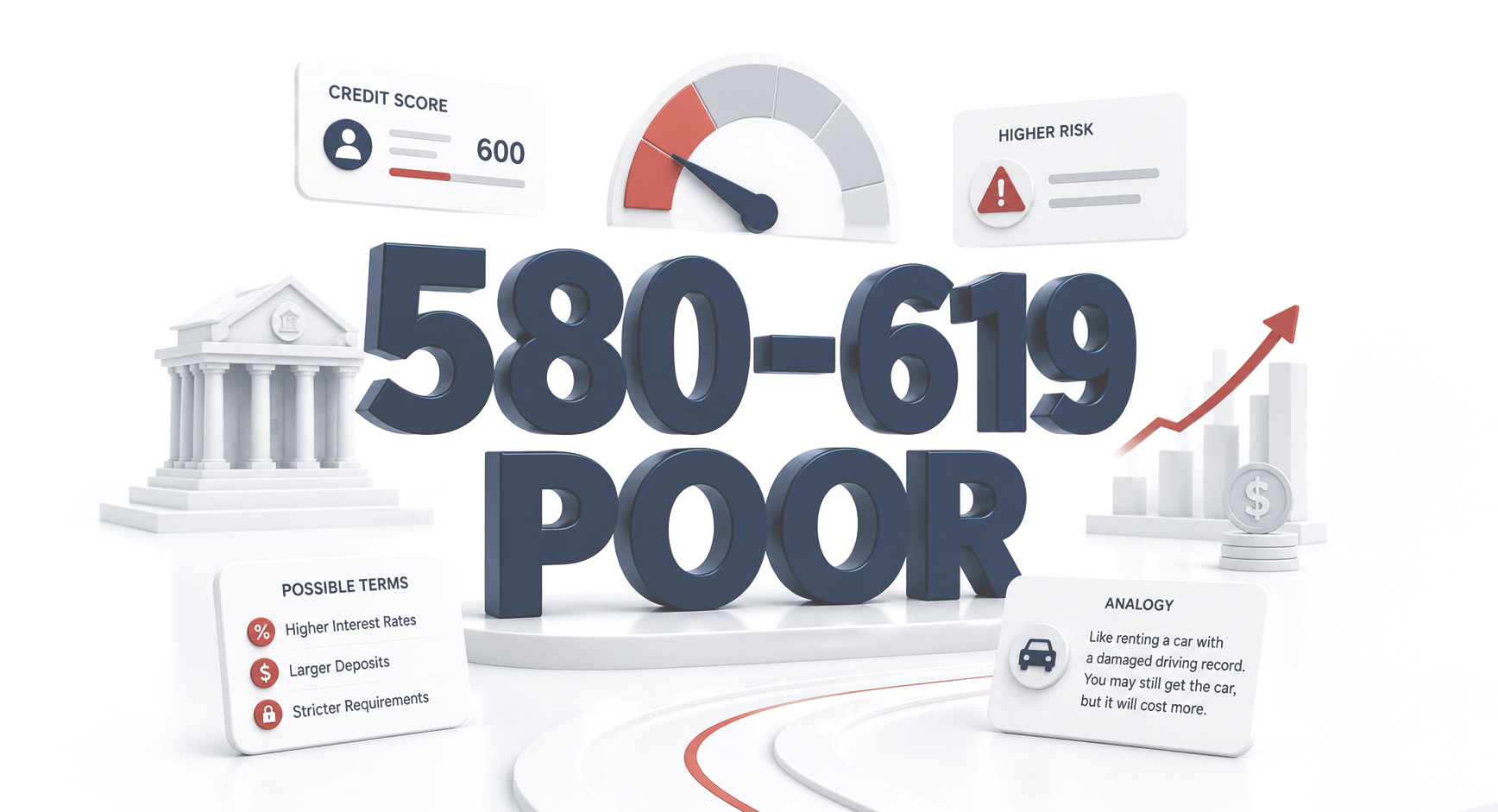
580–619 · Poor
You may still have options, but they may cost more.
This range can make borrowing more expensive. Some lenders may approve, but the terms may include higher interest rates, larger deposits, or stricter requirements.
What Helps
- Stop applying for new credit temporarily
- Catch up any past-due accounts
- Lower active card balances
- Build a clean recent payment pattern
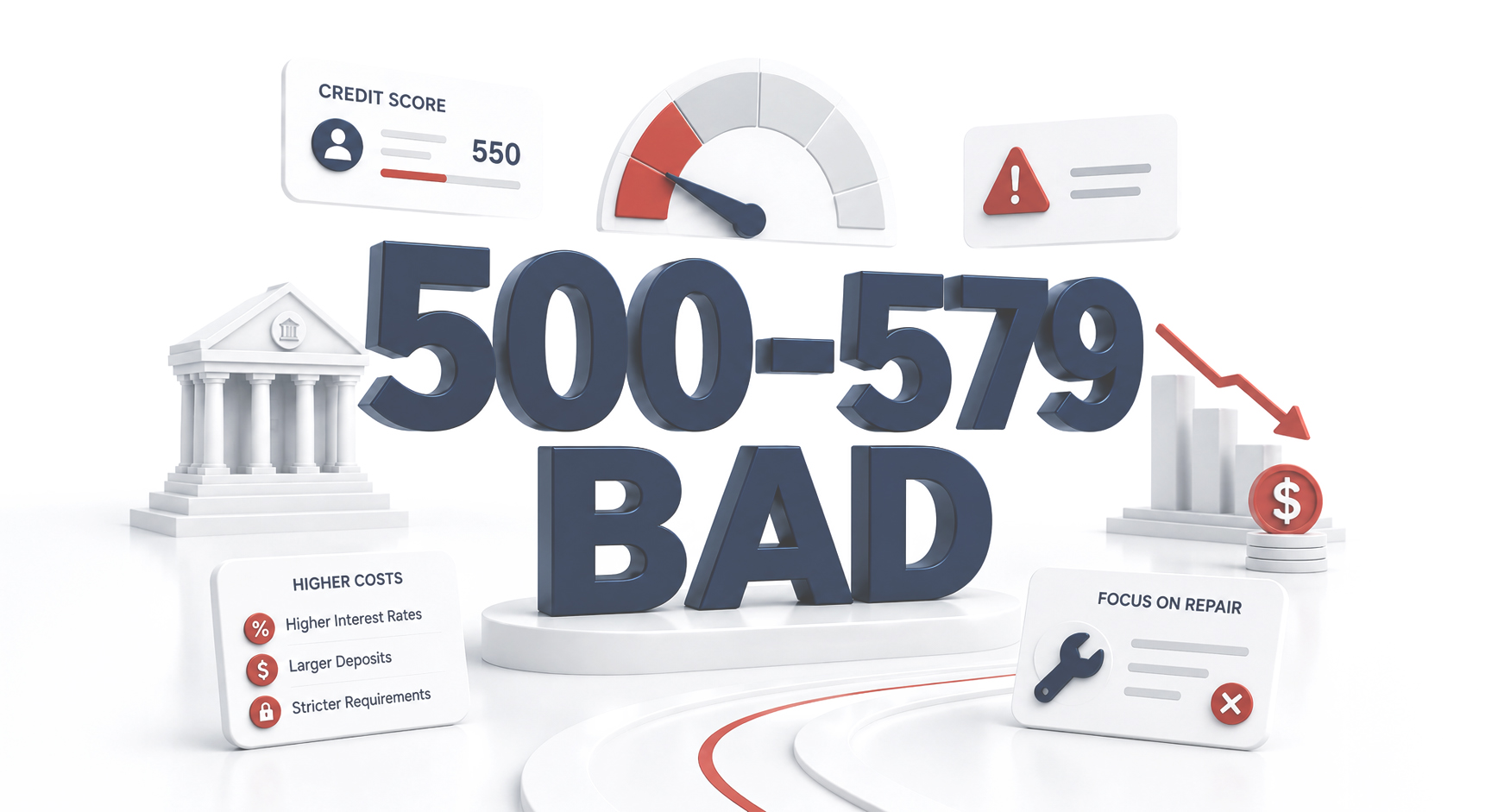
500–579 · Bad
Focus on repair before applying.
This range usually signals higher risk to lenders. Applying for new credit too early may lead to denials, higher costs, or more hard inquiries that make rebuilding harder.
What Helps
- Review your credit reports for errors
- Dispute inaccurate information
- Pay current accounts on time
- Build stability before applying again
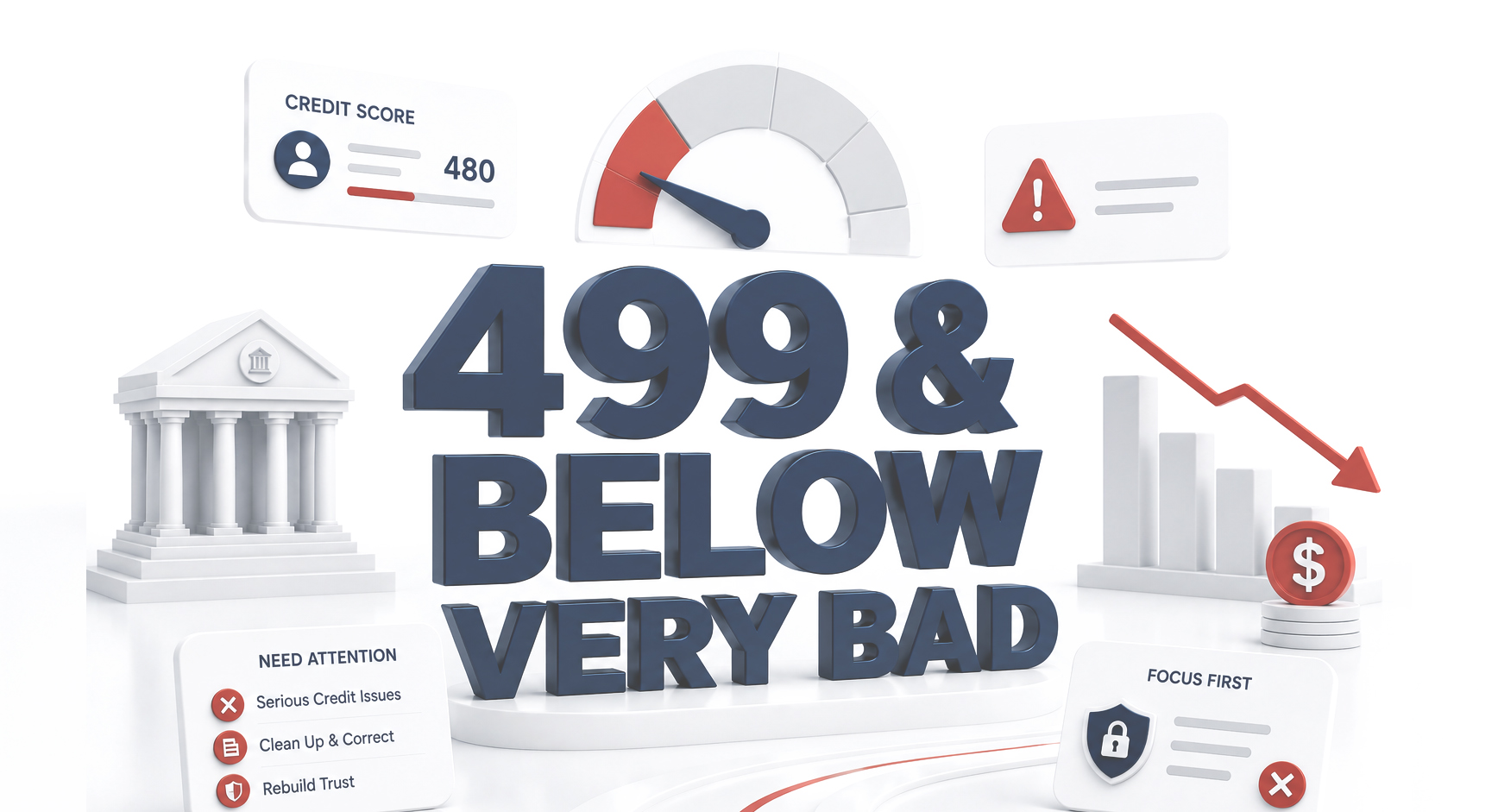
499 & Below · Very Bad
Stabilize first, apply later.
This range usually means the credit file needs serious cleanup and stabilization. The goal should be to stop new damage, correct inaccurate reporting, and rebuild trust step by step.
What Helps
- Do not apply for unnecessary credit
- Handle past-due accounts carefully
- Correct inaccurate reporting
- Create a simple rebuilding plan
Not sure where your credit stands?
Meta Fiscal helps you understand your current position, identify what may be holding you back, and build a practical path toward stronger financial readiness.
This page is for educational purposes only and does not guarantee approvals, credit outcomes, funding, or specific lending terms. Lender requirements vary by institution, product, income, debt, credit history, and other factors.