
What Banks Look For Before Business Funding | Meta Fiscal
Funding Readiness

What Banks Look For Before Business Funding

Funding is rarely based on one thing. Lenders usually review your business stability, cash flow, credit profile, documentation, credibility, and overall risk before making a decision.

Important: Meta Fiscal is not a lender and does not guarantee funding or approvals. This page is designed to help you understand what may strengthen your file before you seek funding options.
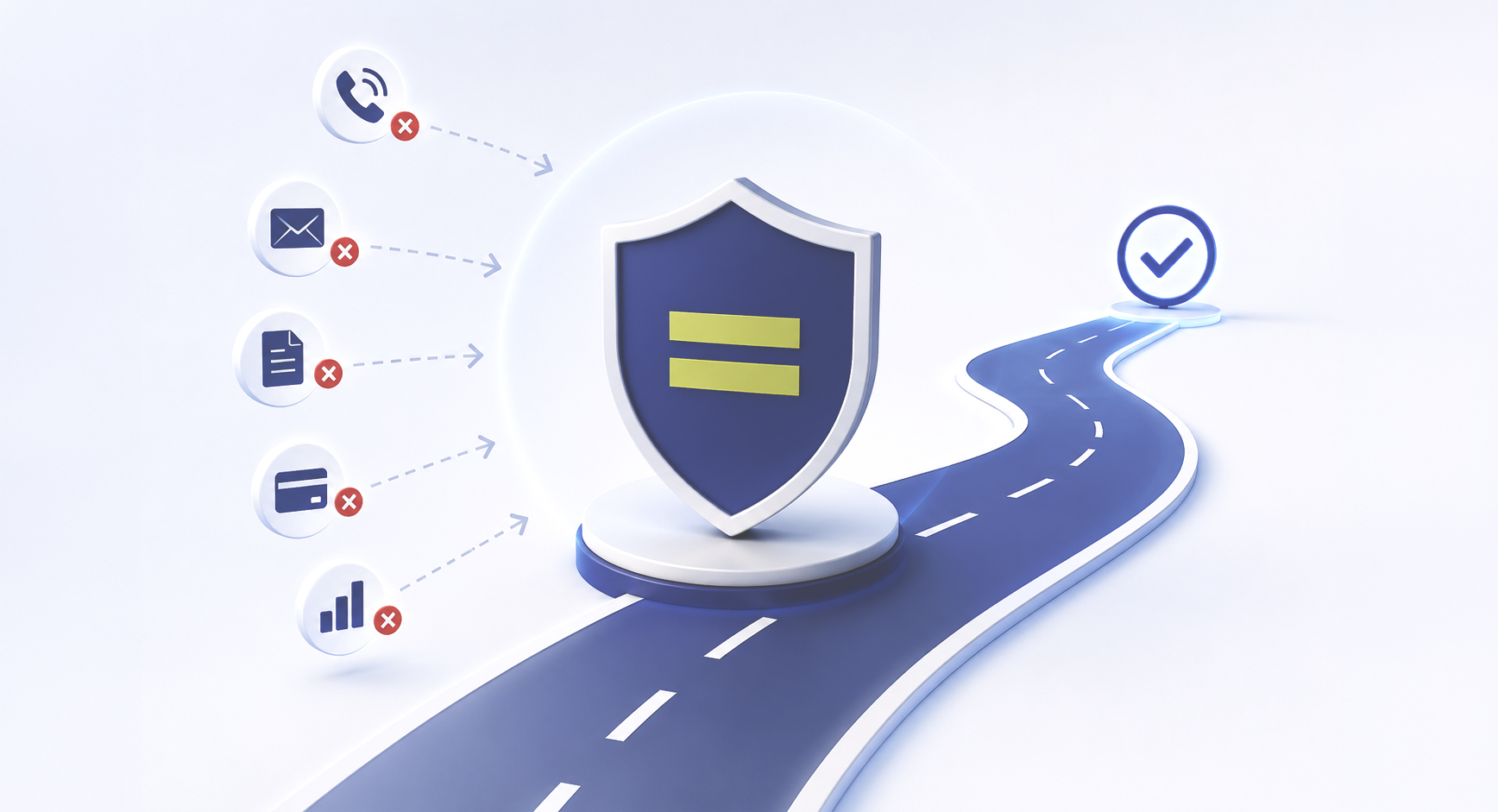
Funding readiness hero image
Repair → Prepare → Guide → Access Opportunities A cleaner profile can help you approach funding conversations with more confidence and better organization.

Section 01

Your Business Foundation

Before money is reviewed, lenders usually want to understand what kind of business they are looking at and how stable it appears.

Business age and stability

Foundation

Business Age & Stability

Many funding options favor businesses with a track record. Two years in business is often stronger than a brand-new company because it gives lenders more history to review, but newer businesses can still improve their file by showing organization and consistency.

Why it matters: Time in business helps show consistency, survival, and repayment potential.
How to strengthen this: Keep clean formation records, maintain active operations, avoid long inactive periods, and document revenue from the beginning.
Common scenario: A new business with strong records may still look better than an older business with scattered documents and inconsistent activity.
Learn more from SBA →
Industry risk category

Foundation

Industry Risk Category

Some industries are viewed as more stable than others. Lenders may look at your business category, revenue predictability, operating costs, regulation, and market risk before deciding how comfortable they are with the file.

Why it matters: Your industry can influence approval odds, terms, documentation, and risk review.
How to strengthen this: Show consistent deposits, clean financial records, strong customer activity, and a clear explanation of how the business earns money.
Common scenarios: Higher-risk examples may include restaurants, trucking, nightlife, startups, or highly seasonal work. More stable examples may include professional services, healthcare support, established retail, or recurring-service businesses.
Review SBA eligibility basics →

Section 02

Financial Strength

Strong funding files usually show clear revenue, organized records, and clean banking behavior.

Revenue consistency

Financials

Revenue Consistency

Lenders may care about how steady your deposits are, not just the highest month you ever had. Consistent revenue can be more reassuring than random spikes because it helps show the business can handle obligations over time.

Why it matters: Reliable cash flow helps support the idea that payments can be handled consistently.
How to strengthen this: Build recurring customers, keep invoices organized, deposit business income into the business account, and reduce unexplained gaps.
Strong vs weak: Strong: steady monthly deposits. Weak: one big month followed by low or unclear activity.
View Federal Reserve small business data →
Bank behavior

Financials

Bank Behavior

Not every program requires bank statements, but clean statements can help. Low overdrafts, stable balances, regular deposits, and separated business activity can make your file easier to understand and easier to trust.

Why it matters: Your bank activity can show how the business actually operates day to day.
How to strengthen this: Avoid overdrafts, keep a cushion when possible, separate personal spending, and keep deposits traceable to real business activity.
Strong vs weak: Strong: stable deposits and controlled spending. Weak: negative balances, bounced payments, heavy transfers, or irregular activity.
Read Federal Reserve context →
Tax returns and records

Financials

Tax Returns & Records

Some funding options may not require tax returns, but having clean filed returns and organized records can strengthen credibility. Tax records help support reported income, business activity, and the seriousness of the operation.

Why it matters: Organized tax records help verify the story your business is telling financially.
How to strengthen this: File on time, keep profit and loss records, store receipts, and make sure your reported business income matches your financial story.
Common scenario: A business with bank deposits but poor tax records may raise more questions than a business with organized returns and clean documentation.
Visit IRS record resources →

Not sure how your file looks?

A readiness review can help organize what you have, identify what may be missing, and give you a clearer path before seeking funding options.

See Where You Currently Stand

Section 03

Business Credibility

A business can have revenue and still look incomplete online. Credibility signals help your company appear more established and easier to verify.

Business address

Credibility

Business Address

A verifiable business address can help establish legitimacy. A home address is common for some businesses, but a professional, consistent address may look stronger when the business wants to appear more established and easier to verify.

Why it matters: Address consistency helps lenders, directories, and customers verify the business.
How to strengthen this: Use the same address across your formation records, website, Google profile, invoices, business bank account, and major directories.
Common scenario: A mismatch between your website, bank records, and online listings can make the business look less organized.
Read SBA location guidance →
Google business profile

Credibility

Google Business Profile

A verified Google Business Profile with accurate information, photos, services, and genuine reviews can make the business easier to find and trust. It gives people a quick way to confirm that the business appears active.

Why it matters: Public proof helps show that the business is visible, active, and connected to real customers.
How to strengthen this: Verify the profile, keep hours and services accurate, add real photos, respond to reviews, and avoid fake or suspicious review activity.
Strong vs weak: Strong: verified profile with reviews and photos. Weak: no profile, wrong address, no activity, or inconsistent details.
Verify your business on Google →
Digital presence

Credibility

Digital Presence

A website, social profiles, business email, and consistent listings can help your company look real and organized. This does not need to be fancy—it needs to be credible, current, and aligned with the business you say you operate.

Why it matters: A clean digital footprint supports trust before a decision-maker ever speaks with you.
How to strengthen this: Use a branded domain email, keep your website updated, match your business name across platforms, and show clear services.
Common scenario: If your business has revenue but no website, no public profile, and no consistent contact information, it can look harder to verify.
Explore Google Business Profile help →

Section 04

Credit Profile

Credit is not the only factor, but it is still one of the clearest signals lenders use to understand repayment behavior.

Personal credit

Credit

Personal Credit

For many small businesses, personal credit still matters—especially when the business is young or has limited business credit history. It may be used to understand payment habits, risk, and how the owner manages obligations.

Why it matters: Stronger credit can improve trust, reduce risk concerns, and support better funding conversations.
How to strengthen this: Pay bills on time, reduce credit utilization, avoid new unnecessary debt, and correct inaccurate information when possible.
Strong vs weak: Strong: on-time payments and low balances. Weak: late payments, high utilization, collections, or recent charge-offs.
Read about credit risk →
Business credit and D-U-N-S

Credit

Business Credit & D-U-N-S

Business credit can include trade accounts, payment history, business credit reports, and identifiers like a D-U-N-S Number. It helps separate the company’s profile from the owner’s personal profile over time.

Why it matters: Open tradelines and on-time payments help build a business credit story over time.
How to strengthen this: Set up vendor accounts that report, pay early or on time, monitor business credit reports, and keep company information consistent.
Common scenario: A business with no tradelines may rely more heavily on personal credit, while a business with payment history can appear more established.
Learn about business credit from SBA →

Section 05

Risk Signals

Sometimes the issue is not what you have—it is what your file may be signaling. These are the areas that can create concern.

Red flags in accounts

Risk

Red Flags in Accounts

Frequent overdrafts, negative balances, sudden large deposits with no pattern, or inconsistent activity can raise questions about stability. These signals do not always mean denial, but they can make the file harder to understand.

Why it matters: Clean account behavior helps reduce the appearance of financial stress.
How to strengthen this: Build a cash cushion, reduce overdrafts, separate personal transfers, and create a more predictable deposit pattern.
Strong vs weak: Strong: stable balances and consistent deposits. Weak: overdrafts, returned payments, negative balances, or unexplained spikes.
Review small business credit trends →
Debt load and background factors

Risk

Debt Load & Background Factors

Existing debt, missed payments, unresolved obligations, ownership structure, partners, and background-related items may be reviewed depending on the funding type. The goal is to understand whether the business and ownership group can responsibly handle new obligations.

Why it matters: Lenders want to understand whether new funding would create too much repayment pressure.
How to strengthen this: Reduce unnecessary debt, resolve past-due obligations, be transparent about partners, and keep business ownership documents organized.
Common scenario: A strong business can still face issues if owners have unresolved obligations, unclear ownership, or heavy existing debt.
Read CFPB business credit reporting context →

Funding readiness is about presentation and preparation.

The stronger your file looks, the easier it is to understand your options. Meta Fiscal helps you identify weak points, organize your profile, and move with a clearer strategy.

Understand Your Funding Path
Disclaimer: This page is educational and does not guarantee funding, approval, rates, terms, or lender acceptance. Requirements vary by lender, product, business type, credit profile, documentation, and overall risk review.

Financial readiness, credit guidance, and strategy for people and businesses who want a clearer path forward.

Meta Fiscal is not a lender and does not guarantee approvals or funding outcomes.

Top ↑
Redirecting mobile users…

If you are on mobile and not redirected, click here.